Phoenix, Arizona's growth as a commuter hub attracts residents from nearby areas. Major highways connect to eastern suburbs like Mesa, Chandler, and Tempe. Public transport enhancement and carpooling promote efficient commutes. Real estate close to employment hubs and public transport commands premium prices. Smart city technologies and balanced urban-suburban lifestyles further attract commuters. Understanding neighboring communities' commute times and real estate trends is vital for informed decisions. Amenities like educational institutions and recreational facilities influence choices, e.g., Gilbert's outdoor focus.
In today’s fast-paced world, the proximity to major urban centers like Phoenix plays a pivotal role in shaping commuters’ lifestyles and real estate decisions. With growing populations and changing work dynamics, understanding the commute is crucial for both individuals and investors. This article delves into the significance of proximity to Phoenix, examining how it influences daily commutes, access to employment opportunities, and ultimately, real estate investments. By exploring these factors, we aim to provide valuable insights that empower informed decisions in the vibrant landscape of Phoenix’s real estate market.
Understanding Phoenix's Commuter Patterns
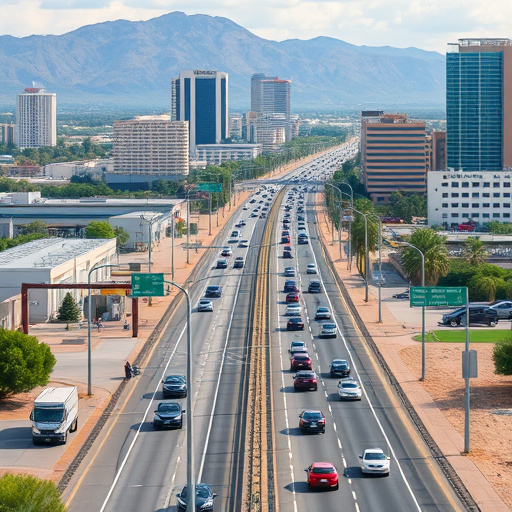
Phoenix, Arizona, has emerged as a prominent hub for commuters, attracting residents from nearby cities and towns seeking convenient access to job opportunities and vibrant urban living. Understanding the commuter patterns in this region is crucial for anyone considering real estate investments or simply planning their daily commute. The city’s unique geography and expanding infrastructure play a significant role in shaping these patterns, offering both advantages and challenges for commuters.
The proximity of Phoenix to several smaller cities and towns creates a network of commuting routes. According to recent data, approximately 40% of the workforce in Phoenix commutes from neighboring communities, with some residents traveling up to 50 miles daily. The most significant commuter flow is towards the city’s east and northeast, where suburban areas like Mesa, Chandler, and Tempe are located, offering a blend of affordable housing and thriving tech, healthcare, and educational sectors. This trend highlights the appeal of real estate in these regions, as investors and homebuyers alike seek properties that provide quick access to major employers. For instance, the Arizona State University Research Park in Tempe attracts professionals from across the valley due to its thriving research and innovation environment.
However, peak-hour congestion is a notable concern, particularly on major highways like US-60 and I-17, which experience heavy traffic volumes. Commuters often face delays, especially during the morning and evening rush hours. To mitigate this issue, the Phoenix Metropolitan Area Transportation (MAAT) has implemented various strategies, including expanding public transportation networks and encouraging carpooling through incentives. These efforts aim to reduce road congestion and provide alternative commuting options. For those considering real estate investments, understanding these commuter trends is essential for identifying areas with potential growth and accessibility issues.
Real Estate Considerations for Short Commutes
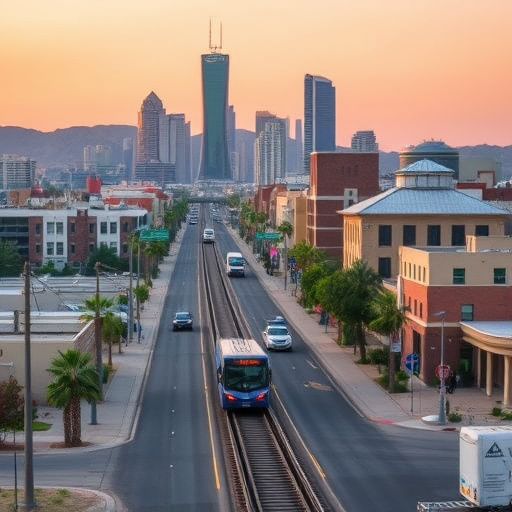
The desirability of living close to a major metropolitan center like Phoenix is increasingly evident as urban lifestyles gain popularity. For commuters, proximity to employment hubs can significantly enhance quality of life, saving valuable time and effort previously spent on lengthy commutes. In Phoenix, real estate considerations for short commutes play a pivotal role in shaping residents’ daily experiences.
Access to public transportation, such as the Valley Metro Rail, light rail lines, and an extensive bus network, is a critical factor. Properties located within walking distance or along transit corridors command premium prices but offer substantial benefits. For instance, a 2022 real estate market report revealed that homes within a half-mile of light rail stations saw average sale prices rise by approximately 15% compared to similar properties further away. This trend underscores the growing demand for convenient, transit-oriented living.
When considering real estate, commuters should look beyond mere proximity to highways and major roads. Integrating smart city technologies can optimize travel times, making even more distant locations viable. Additionally, certain neighborhoods within Phoenix have emerged as commuter hotspots due to their well-planned infrastructure and robust local economies. For those seeking a balance between urban convenience and suburban tranquility, exploring real estate options in adjacent cities like Tempe or Chandler might offer the best of both worlds, with shorter commutes to Phoenix’s central business districts.
Exploring Nearby Communities: A Guide for Residents
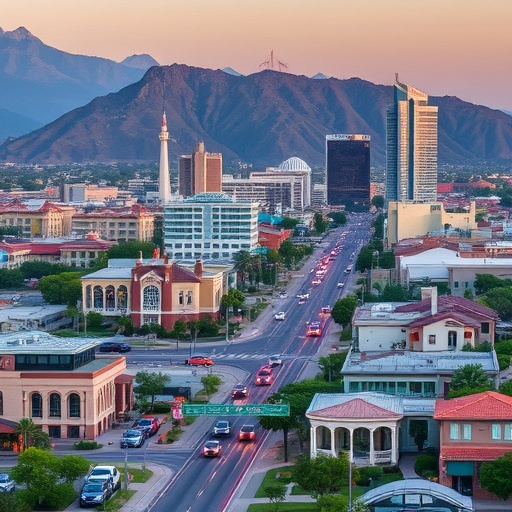
For those considering a move to or within the Phoenix metropolitan area, understanding the diverse offerings of neighboring communities is essential for an informed decision. The Greater Phoenix region boasts a vibrant mix of suburban and urban environments, each with its unique character and appeal. This guide aims to equip residents with the knowledge to explore these nearby areas, focusing on practical aspects like commute times, real estate trends, and community amenities.
Commute times significantly vary across the Phoenix valley, influenced by factors like traffic density and local infrastructure. For instance, residents of Glendale, located north of Phoenix, often enjoy shorter travel times to downtown due to efficient highways and a well-connected transportation network. Conversely, areas like Tempe or Chandler, situated closer to the heart of Phoenix, might experience heavier congestion during peak hours. Accessing real estate in these locations offers diverse options; while Glendale’s suburban appeal includes spacious family homes, urban centers like Tempe boast modern apartment complexes and vibrant nightlife, all within a manageable commute distance.
When exploring nearby communities, it is valuable to consider the availability of essential amenities. Some areas excel in educational institutions, attracting families seeking quality schools. Others might prioritize recreational facilities, from lush parks to world-class golf courses, appealing to those valuing an active lifestyle. For instance, the city of Gilbert has undergone a significant transformation, becoming a hub for outdoor enthusiasts with its expansive trail system and community events. Understanding these nuances ensures residents can make choices aligned with their preferences and lifestyles.