Local governments drive business growth through strategic real estate initiatives. Key tactics include developing prime commercial hubs, streamlining business setup processes, offering tax incentives, and investing in infrastructure like public transit and digital connectivity. Collaborative efforts between communities and businesses, focusing on well-planned mixed-use developments, boost local economies. Leveraging real estate as a driver enhances quality of life while fostering innovation and attracting investments, as seen in successful examples like Austin, Texas, and Singapore.
In today’s competitive economic landscape, fostering a robust business environment is paramount for local governments to drive sustainable growth. However, creating an attractive climate often presents challenges, particularly in sectors like real estate, where factors such as regulatory burdens and infrastructure limitations can deter investment. This article delves into the critical role of local governance in enhancing business prospects, exploring strategies that prioritize economic development. We will discuss how streamlined policies, strategic investments in infrastructure, and proactive engagement with businesses can create a thriving ecosystem, ultimately attracting entrepreneurs and fostering prosperity within communities.
Strategies for Attracting Businesses: A Local Government Guide
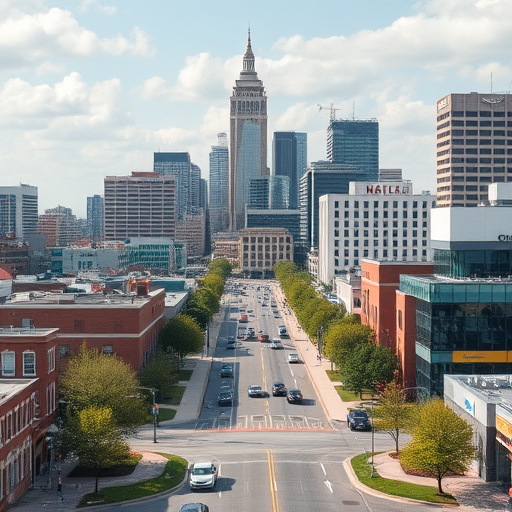
Local governments play a pivotal role in fostering a thriving business environment within their jurisdictions. One of the key strategies to achieve this is by attracting and retaining businesses, which requires a well-rounded approach that includes effective planning, infrastructure development, and targeted initiatives. When it comes to luring new enterprises, local authorities can employ a range of tactics, with a strong focus on real estate as a fundamental asset.
Identifying and developing prime commercial hubs is a strategic move. By investing in high-quality office spaces, industrial parks, or mixed-use developments, local governments create attractive destinations for businesses seeking top-tier real estate. For instance, cities like Austin, Texas, have experienced rapid economic growth by revitalizing urban areas, offering modern infrastructure, and providing incentives for tech startups and major corporations alike. This approach not only stimulates local economies but also ensures a steady flow of investment and job opportunities.
Additionally, streamlining the business setup process is essential. Local governments can simplify permitting procedures, offer online platforms for licensing, and provide one-stop shops for business inquiries. For example, Singapore’s Business Registration Authority has implemented an efficient digital system, allowing entrepreneurs to register their companies in a matter of days, fostering a friendly environment for both local and international businesses. These measures reduce the time and effort required for startups and established firms to navigate bureaucratic processes, making the area more appealing for investment.
Enhancing Real Estate Market: Business-Friendly Initiatives
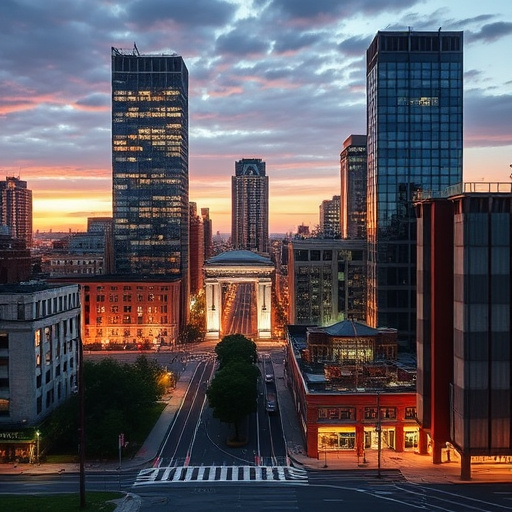
Local governments play a pivotal role in fostering a robust business environment, and one of the key sectors they can significantly impact is the real estate market. By implementing strategic initiatives, cities and towns can enhance their appeal to businesses, leading to economic growth and improved quality of life for residents. Business-friendly policies in the real estate sector start with streamlined permitting processes. Efficient approval systems reduce delays, making it easier for developers to break ground on new projects. For instance, cities like Austin, Texas, have leveraged technology to digitize zoning permits, resulting in a 50% reduction in processing time over traditional methods.
Tax incentives are another powerful tool to attract businesses and stimulate the real estate market. Local governments can offer tax breaks or rebates for commercial property owners who invest in energy-efficient buildings or provide spaces for startup incubators and co-working facilities. These initiatives not only encourage economic activity but also contribute to a more sustainable urban environment. According to a recent study, cities that implement tax incentives for mixed-use developments see an average 20% increase in commercial real estate transactions within the first year.
Furthermore, investing in infrastructure is essential to create a desirable business landscape. Upgrading transportation networks, such as public transit and highways, improves access to markets and talent pools, making a region more attractive to businesses. For example, the expansion of light rail systems in cities like Seattle and Minneapolis has spurred significant real estate development along these routes. Local governments should also prioritize digital infrastructure, ensuring high-speed internet access across all sectors, which is essential for modern businesses, particularly tech startups and remote work industries.
Fostering Growth: Collaboration Between Communities and Businesses
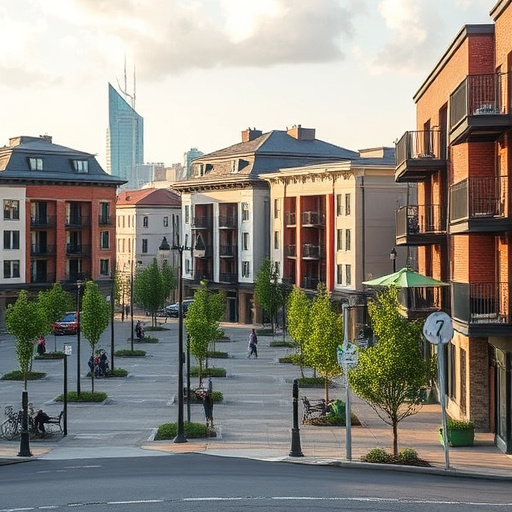
Fostering growth through collaboration between communities and businesses is a key strategy for local governments to enhance their business environment. This partnership model recognizes that economic vitality is not solely driven by businesses but also by the overall quality of life within a community. By engaging residents, community leaders, and private sectors in strategic planning, local governments can unlock unprecedented opportunities for sustainable growth.
Real estate plays a pivotal role in this dynamic. Vibrant communities with well-planned urban spaces attract investments and foster entrepreneurship. For instance, cities that prioritize walkable neighborhoods, green spaces, and modern infrastructure create an appealing environment for startups and established businesses alike. According to recent studies, areas with robust real estate developments and improved amenities have seen a 20% increase in business retention rates. This highlights the direct correlation between community enhancements and business prosperity.
Local governments can facilitate this growth by offering incentives for mixed-use developments that blend residential, commercial, and recreational spaces. Such initiatives not only stimulate local economies but also encourage a sense of community among residents and businesses. Additionally, hosting regular roundtable discussions and workshops that bring together diverse stakeholders can foster innovative solutions tailored to the unique needs of each neighborhood. By embracing collaboration, local governments can cultivate an ecosystem that nurtures business growth while enhancing the overall quality of life for all residents.