Local governments drive economic growth through strategic real estate management. Key tactics include revitalizing underutilized areas, creating specialized business parks, streamlining regulatory processes, and promoting smart growth policies. Successful examples like Berlin, Stockholm, New York, San Francisco, and Seattle showcase the impact of tailored real estate initiatives on attracting businesses, fostering innovation, and enhancing property values. Adopting proven strategies adapted to local contexts is crucial for unlocking market potential and long-term economic sustainability.
In today’s competitive global economy, the health of a local business environment is pivotal for community prosperity and economic growth. However, many regions struggle with attracting and retaining businesses due to factors like inadequate infrastructure and limited access to resources. Real estate, as a cornerstone of any thriving community, plays a multifaceted role in fostering this environment. This article delves into strategies employed by local governments worldwide to enhance their business landscapes, particularly through strategic real estate development, to create vibrant hubs that attract investment and drive sustainable growth.
Strategies for Attracting Businesses: A Local Government Guide
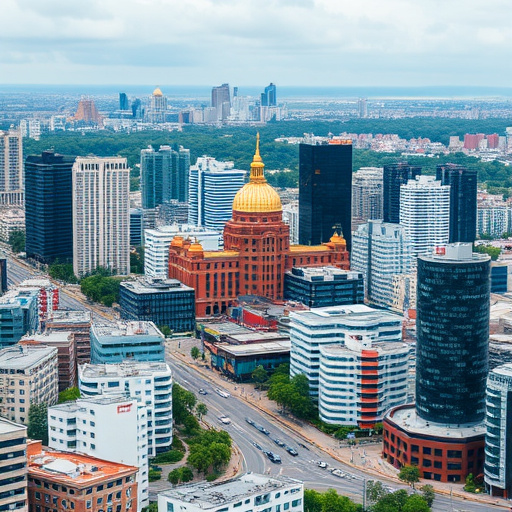
Local governments play a pivotal role in fostering a robust business environment, and one of their key responsibilities is attracting and retaining businesses. A strategic approach to this endeavor can significantly impact economic growth and development. This guide offers insights into effective strategies for local authorities to enhance their region’s appeal to businesses, with a particular emphasis on real estate as a crucial element.
Attracting businesses requires a holistic understanding of the market needs and a well-planned infrastructure. Local governments should conduct comprehensive research to identify industries seeking expansion or relocation. For instance, tech startups might prefer urban areas with access to skilled talent and robust digital infrastructure, while manufacturing firms could be drawn to regions offering affordable real estate and logistics advantages. By analyzing demographic trends, existing business profiles, and industry reports, local officials can make informed decisions tailored to their area’s strengths.
Real estate development is a powerful tool in this strategy. Local governments can collaborate with private investors to create specialized business parks or incubators that cater to specific industries. For example, establishing tech hubs in strategic locations can attract startups and established tech companies, providing modern office spaces, co-working areas, and excellent connectivity. Similarly, revitalizing underutilized urban areas through smart redevelopment projects can transform them into vibrant business centers, enhancing the region’s overall attractiveness. Offering incentives such as tax breaks or subsidies for commercial real estate development can further encourage businesses to establish roots in these areas.
Additionally, local governments should ensure efficient regulatory processes and responsive government services. Streamlining permitting procedures and providing one-stop shops for business registration can significantly reduce barriers to entry. Effective communication of these processes through dedicated business resources and regular updates will create a positive perception, encouraging prospective businesses to explore the region’s potential.
Enhancing Real Estate Value through Business-Friendly Policies

Local governments play a pivotal role in shaping the business environment within their jurisdictions, and one of the most tangible ways they can drive economic growth is by enhancing real estate value through business-friendly policies. A robust real estate market is often a cornerstone of a thriving economy, attracting businesses and investments while fostering community development. Cities like Seattle and Austin have seen significant spikes in commercial property values due to their proactive approaches to creating business-conducive environments. These municipalities implemented strategies such as streamlined permitting processes, reduced regulatory burdens, and incentives for mixed-use developments, resulting in a ripple effect that benefits local businesses and residents alike.
The impact of these policies extends beyond immediate financial gains. By encouraging the growth of diverse industries and promoting urban regeneration, local governments can create vibrant, dynamic communities. For instance, offering tax breaks or subsidies to tech startups in emerging districts not only stimulates innovation but also drives up property values through increased demand. This, in turn, attracts established companies looking for prime locations, further bolstering the local economy. Such initiatives have proven successful in cities like Berlin and Stockholm, where targeted real estate policies have contributed to their status as European tech hubs.
Experts suggest that local governments should prioritize long-term sustainability over quick gains. Implementing policies that promote smart growth, green spaces, and walkable neighborhoods can increase property values significantly over time. For example, investing in infrastructure upgrades and public transportation networks not only attracts businesses seeking convenient locations but also enhances the overall quality of life for residents. This holistic approach ensures that real estate remains a valuable asset while fostering a sustainable business environment. By learning from successful cases and adapting strategies to suit their unique contexts, local governments can unlock substantial potential in their real estate markets.
Building a Thriving Economy: Key Initiatives for Local Authorities
Local governments play a pivotal role in fostering economic growth and creating thriving business environments within their jurisdictions. One of the primary drivers of this process is the strategic development and management of real estate resources. By implementing well-conceived initiatives, local authorities can catalyze significant positive changes. These efforts encompass urban planning, infrastructure development, and incentives tailored to attract businesses and promote investment.
A key strategy involves identifying and leveraging underutilized spaces within existing communities. Transforming derelict sites into mixed-use developments, incorporating retail, residential, and commercial elements, can revitalize areas, attract new businesses, and stimulate local economies. For instance, cities like New York have successfully revived neighborhoods through such projects, showcasing increased economic activity and improved quality of life for residents. Local governments should also consider partnerships with private developers to maximize resources and expertise, ensuring successful project outcomes.
Furthermore, offering incentives such as tax breaks, subsidies, or streamlined permitting processes can significantly encourage businesses to establish or expand operations locally. These measures create an attractive environment, especially for startups and small businesses that are engines of job creation and innovation. For example, cities like San Francisco and Seattle have implemented successful programs to support tech startups, leading to booming local economies and a diverse range of business opportunities. Local authorities should regularly assess market trends and adapt their strategies to cater to emerging industries and ensure long-term economic sustainability.