Pinal County, Arizona, experiences rapid urban growth driven by diverse economics and infrastructure. Real estate naturally leads this transformation, particularly in Gilbert with a 200% population increase since 2010. To sustain growth, strategic planning is crucial, focusing on sustainable practices like energy-efficient buildings and green spaces. The market thrives with mixed-use developments and eco-friendly homes, over 70% of new projects incorporating sustainability. Planners must balance development with environment, employing permeable surfaces, cycling infrastructure, local materials, and renewable energy for a prosperous, sustainable future.
Pinal County, Arizona, has experienced remarkable growth, attracting attention for its dynamic urban landscape. This rapid expansion presents both opportunities and challenges, particularly within the real estate sector. As the county navigates this transformation, understanding the evolving market dynamics is crucial for investors, developers, and residents alike. This article delves into the intricate factors shaping Pinal County’s real estate landscape, offering insights that can guide strategic decision-making in this fast-growing region. By exploring current trends and potential impacts, we aim to equip readers with valuable knowledge to capitalize on the opportunities presented by this thriving community.
Unveiling Pinal County's Rapid Urban Growth
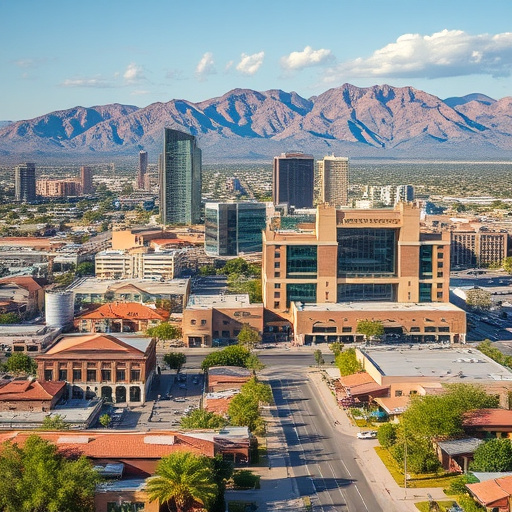
Pinal County, nestled in the heart of Arizona, has emerged as a dynamic and fast-growing region, attracting attention from both residents and investors alike. This urban transformation is particularly evident in its rapidly expanding cities, with real estate naturally at the forefront of this development. The county’s robust economic landscape, characterized by diverse industries, has played a pivotal role in luring populations seeking new opportunities. As a result, Pinal County experiences a steady influx of individuals and families, contributing to its urban growth spurt.
The city of Gilbert, for instance, has witnessed exponential expansion over the past decade. According to recent data, it ranks as one of the fastest-growing cities in the United States, with its population increasing by over 200% since 2010. This rapid urbanization has placed significant pressure on real estate markets, driving up property values and sparking competitive bidding among buyers. Moreover, the county’s strategic location, offering easy access to major transportation corridors, further fuels its appeal, especially for commercial real estate ventures. As development progresses, Pinal County becomes an increasingly attractive destination for businesses seeking new headquarters or expansion sites.
To capitalize on this urban growth, local authorities and developers must adopt strategic planning. This includes ensuring adequate infrastructure, such as robust transportation networks and modern utilities, to support the growing population. Additionally, sustainable real estate practices should be prioritized, focusing on energy-efficient buildings and environmentally conscious development. By embracing these measures, Pinal County can continue its trajectory as a thriving urban center while maintaining a balanced and livable environment for its residents.
Real Estate Trends Shaping the Cityscape
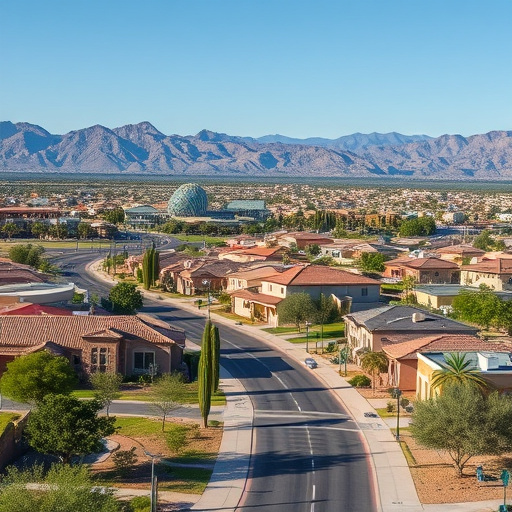
The fast-growing city of Gilbert in Pinal County, Arizona, is experiencing a significant transformation in its real estate landscape. This growth is driven by a combination of economic vitality, a desirable lifestyle, and abundant employment opportunities. As a result, the city’s real estate market has seen a surge in both residential and commercial development. The trend towards urban intensification is reshaping Gilbert’s cityscape, with a focus on mixed-use projects that seamlessly blend housing, retail, and office spaces. This integrated approach not only enhances livability but also fosters a vibrant community environment.
One notable real estate trend in Gilbert is the rise of smart, eco-friendly homes. Developers are incorporating advanced technologies to create energy-efficient dwellings, catering to environmentally conscious buyers. These homes often feature solar panels, smart home automation systems, and water conservation measures. For instance, according to recent data from the local chamber of commerce, over 70% of new residential projects in Gilbert prioritize sustainable design elements. This trend not only aligns with state and national efforts to reduce carbon footprints but also adds significant value to properties.
To stay ahead in this dynamic market, real estate investors and developers must remain agile and strategic. Diversifying their portfolios by investing in a mix of property types—from single-family residences to multi-family units and commercial spaces—is crucial. Additionally, leveraging data analytics to understand demographic shifts and consumer preferences can provide valuable insights for informed decision-making. By embracing innovative designs, adopting sustainable practices, and staying attuned to market dynamics, the real estate industry in Gilbert is poised to continue shaping a desirable and prosperous cityscape.
Sustainable Development: A Balancing Act
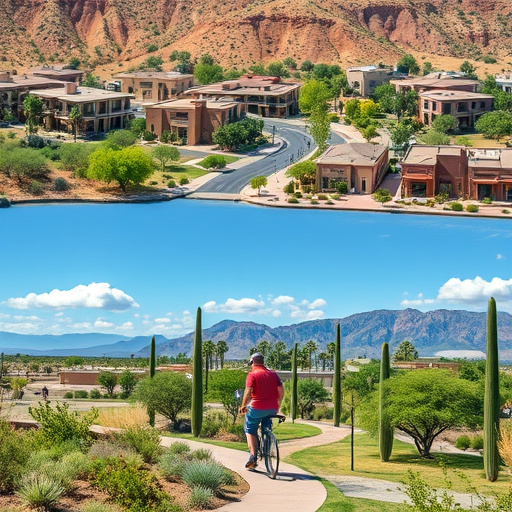
As a fast-growing city in Pinal County, Arizona, faces an essential challenge: balancing sustainable development with its rapid urban expansion. The demand for real estate has skyrocketed, driven by a thriving economy and a desirability that attracts new residents daily. This presents both opportunities and pressures on local infrastructure and the environment. To navigate this complex landscape, city planners and developers must adopt strategies that ensure ecological preservation while catering to the needs of a burgeoning population.
One key aspect is integrating green spaces and eco-friendly design into urban planning. Incorporating parks, gardens, and sustainable building practices not only enhances the quality of life for residents but also contributes to the overall health of the ecosystem. For instance, implementing permeable surfaces in new developments can help mitigate flooding and reduce water runoff, naturally filtering pollutants and conserving precious resources. Moreover, promoting walkability and cycling infrastructure reduces traffic congestion and carbon emissions, fostering a more sustainable transportation network.
Real estate developers play a pivotal role in this transformation. Adopting innovative building methods, such as utilizing local and recycled materials, can minimize construction’s environmental footprint. Additionally, implementing energy-efficient systems and incorporating renewable energy sources like solar panels can significantly reduce the carbon intensity of buildings. By embracing these practices, developers not only contribute to the city’s sustainability goals but also create assets that command higher values in the long run, ensuring a win-win scenario for both the environment and the real estate market.